Graduate Students
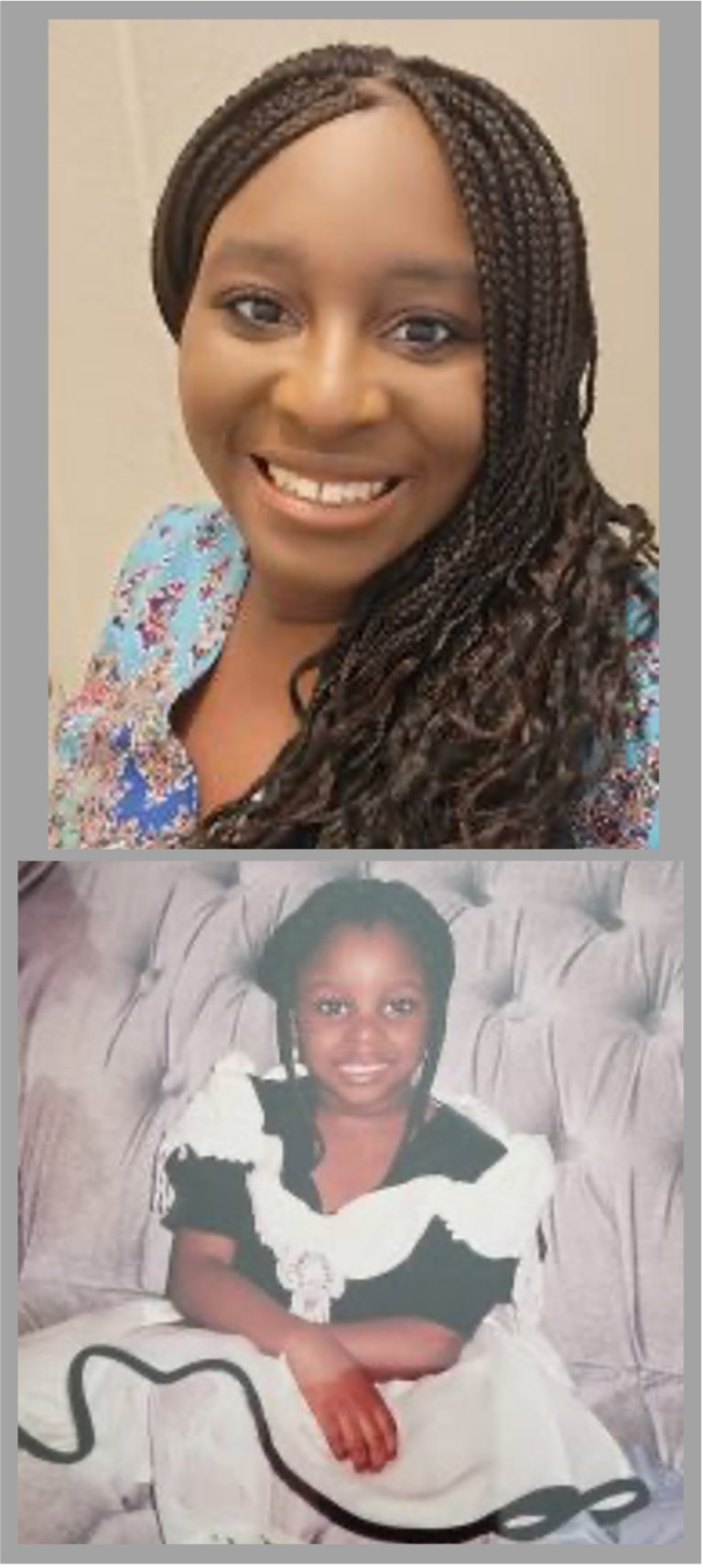
Ekomobong Eyoh
Ekomobong Eyoh is a fifth year Ph.D. student in the Developmental Psychopathology and Clinical Science program at the University of Minnesota’s Institute of Child Development. Broadly, she is interested in studying the heterogeneity inherent in psychopathology and social cognition. More specifically, she is interested in studying autism early identification, heterogeneity in developmental disorders and other psychopathological profiles, and social cognition and interactions, including sibling relationships, in typical and atypical populations. Prior to graduate school at ICD, Ekom received a B.E. in Biomedical Engineering and Neuroscience from Vanderbilt University in 2016 and a M.P.H. from the University of Miami in 2019. Later, she worked as a research coordinator for a year and a half in the Laboratory of Affective Sensory Research at Vanderbilt University Medical Center studying sensory differences in autism.
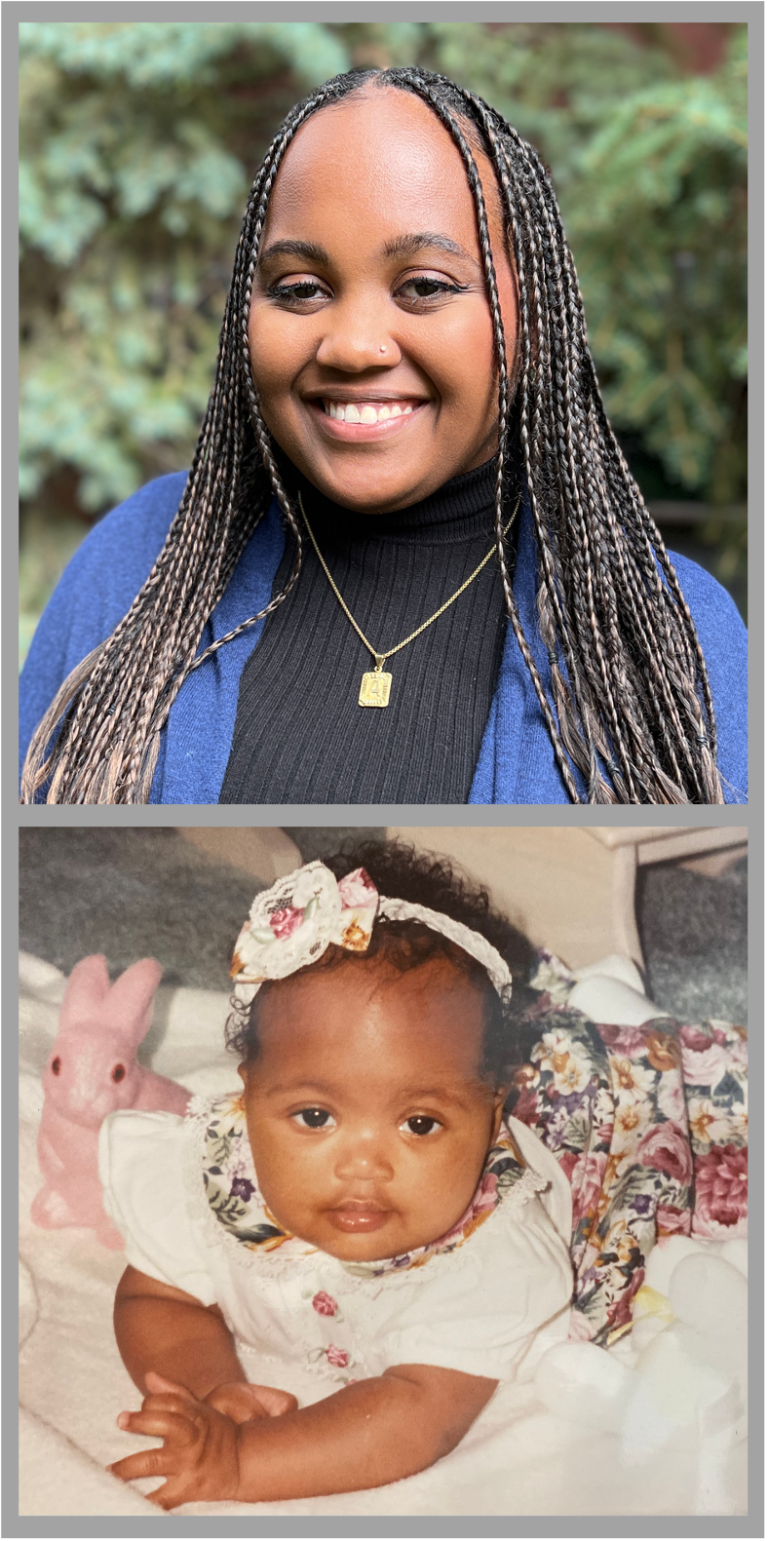
Angelina Jones
Angelina Jones is a fourth-year Ph.D. student in the Developmental Psychopathology and Clinical Science program at the Institute of Child Development. She earned a B.S. in Psychology from The University of Alabama and worked as a research assistant in the Cognition and Intellectual Disability Lab. Later, she worked as a psychometrist at Duke University and a clinical research coordinator with the Neurobehavioral Treatment Discovery Team at Cincinnati Children's Hospital Medical Center, where she coordinated several clinical research studies using multi-method assessment batteries with the overarching aim to create personalized treatments in Fragile X Syndrome. Her current research interests focus on understanding developmental processes and individual differences in children with neurodevelopmental disorders with the goal of improving assessment, understanding developmental outcomes, and information interventions.
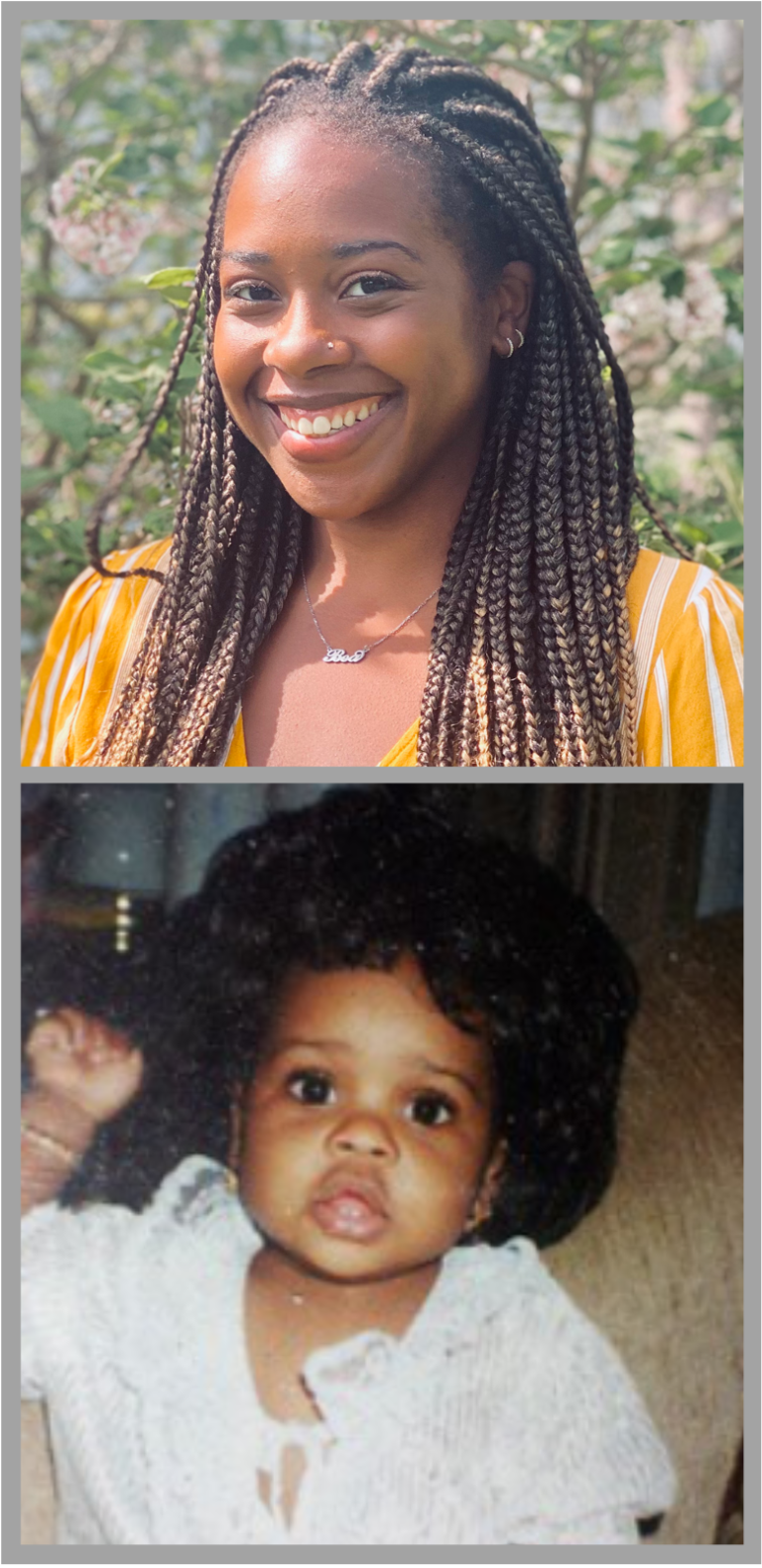
Beatrice Ojuri
Beatrice (Bea) Ojuri is a third-year PhD student on the Developmental Psychopathology and Clinical Science track in the Institute of Child Development. Bea earned her B.S. in psychology from the University of Massachusetts Amherst in 2022. Later, as a research coordinator and assistant In the Center for Neurodevelopmental and Imaging Research at the Kennedy Krieger Institute, she investigated behavioral, neuropsychological, motor, and neurobiological profiles of children and adolescents with ASD, ADHD, and reading disorders. Bea is broadly interested in understanding heterogeneity and underlying mechanisms in ADHD and ASD across multiple levels of analysis, with a particular focus on identifying shared and distinct features across the two disorders.
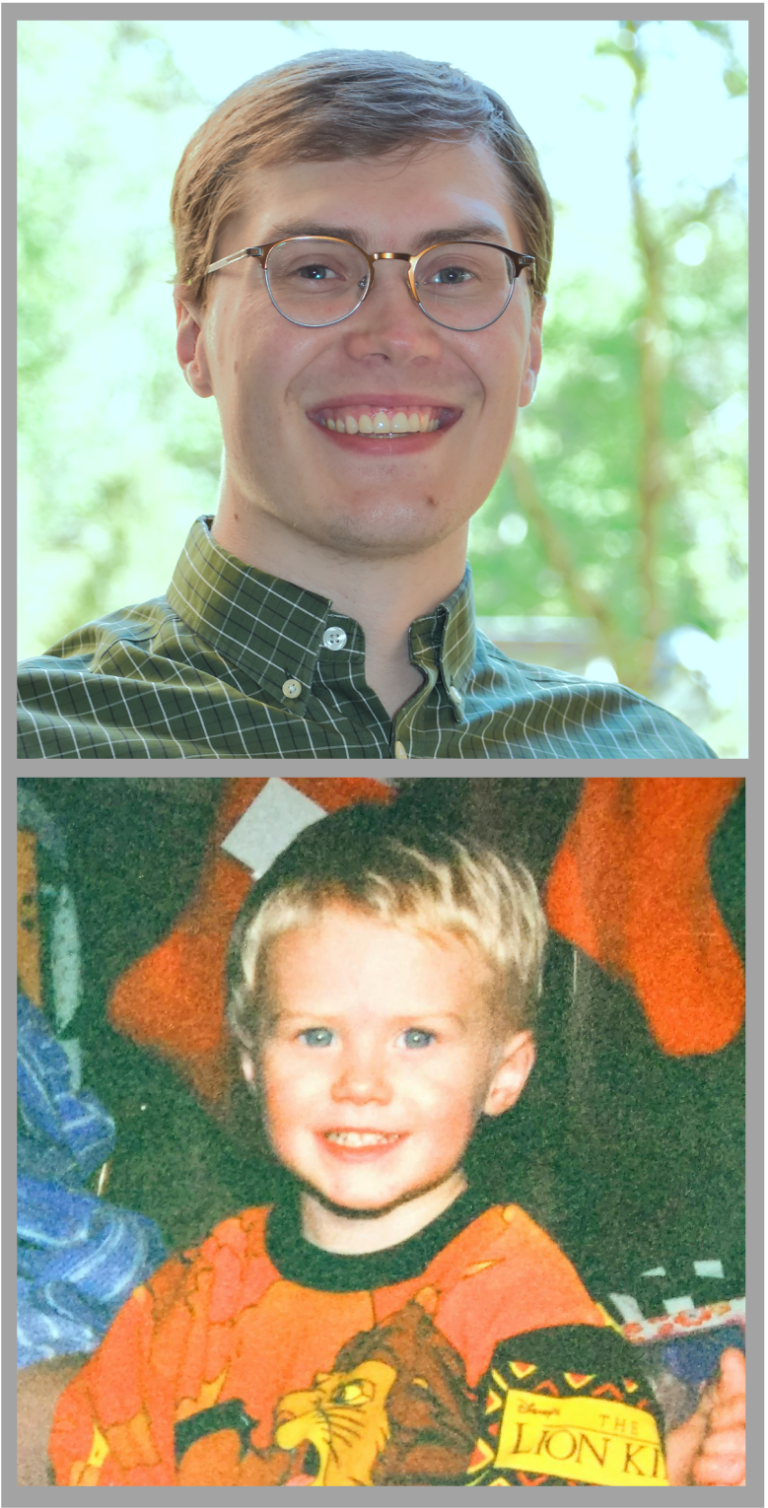
Aaron Glick, MS
Aaron is a third-year PhD student in the Department of Computer Science and Engineering. He originally joined the CNS lab in 2022 as a data manager and developer. With a background in physics (BS from Colorado School of Mines) and language development (MS from McGill University), along with experience in eLearning and direct care for children with ASD and IDD, Aaron is broadly interested in using rich behavioral and developmental datasets from early childhood to drive meaningful impact for individuals and families. Currently, he is involved in efforts focused on early screening for ASD, characterizing early language development through normative models, and leveraging computer vision to quantify motor development. When not at a computer, Aaron can be found cooking, knitting, woodworking, or exploring outdoors with his two children.